




The Book
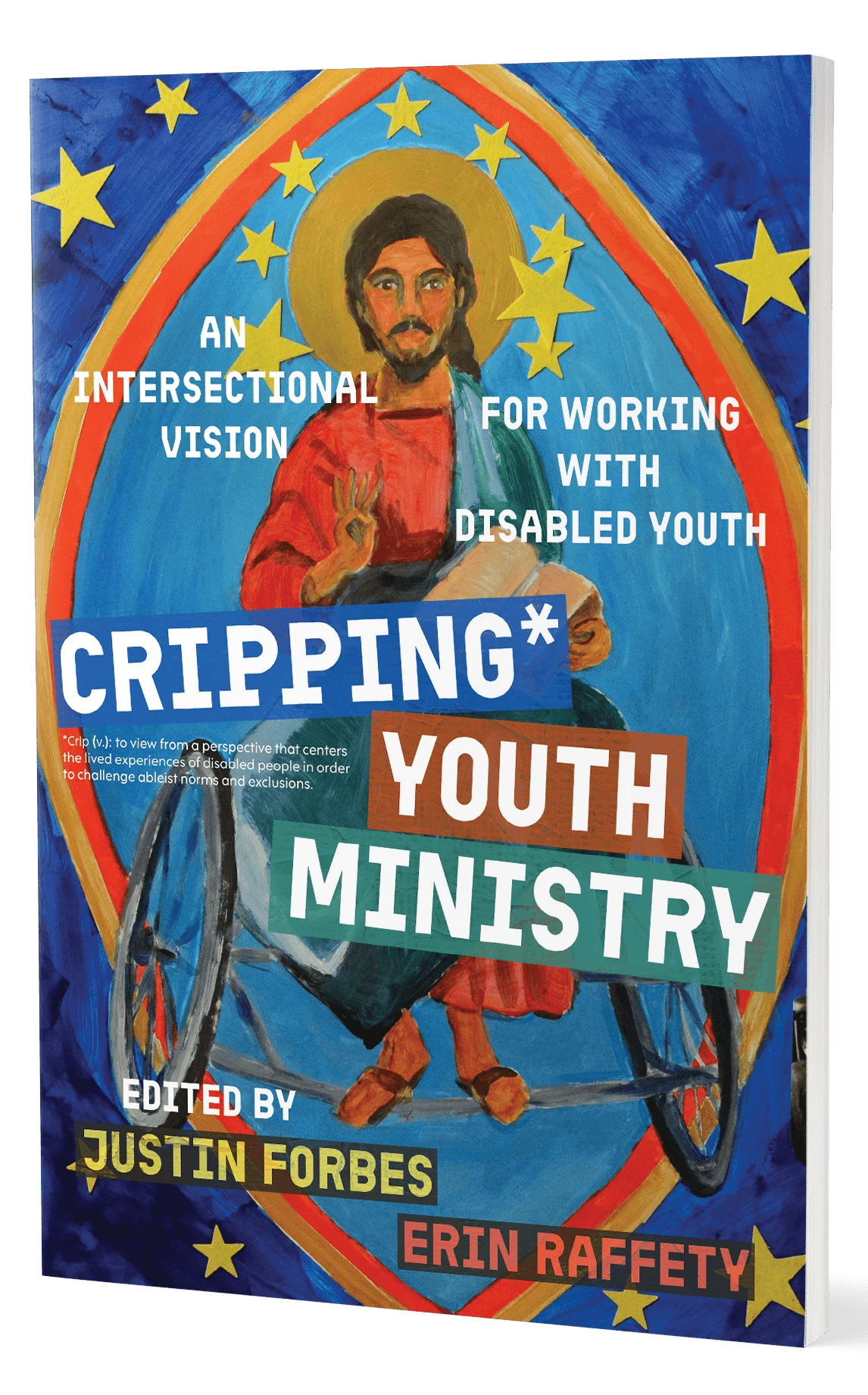
Cripping* Youth Ministry: An Intersectional Vision for Working with Disabled Youth is a collection of essays, prayers, and practical resources that reimagines youth ministry through the lens of disability justice.
Edited by Justin Forbes and Erin Raffety, this volume brings together the voices of scholars, practitioners, and disabled young people to create a resource that is both theologically rich and immediately practical. Each chapter includes guiding questions, practical tools, and resources for deeper engagement.
The Four Movements
Guided by four liturgical movements, this book walks readers through a complete journey of transformation.
Lament
Acknowledging the pain, exclusion, and grief that disabled young people have experienced in faith communities. These chapters create space to name what has been lost.
Protest
Challenging the systems, assumptions, and practices that have kept youth ministry inaccessible. Examining how disability intersects with race, gender, and sexuality.
Praise
Celebrating disability as gift and reclaiming joy in the midst of struggle. Lifting up the creativity, wisdom, and spiritual insight of disabled young people.
Prophecy
Envisioning transformed communities where disabled young people don't just belong, but lead. Offering concrete pathways toward a more just and accessible future.
A Note on the Cover
Why is Jesus in a Chair?
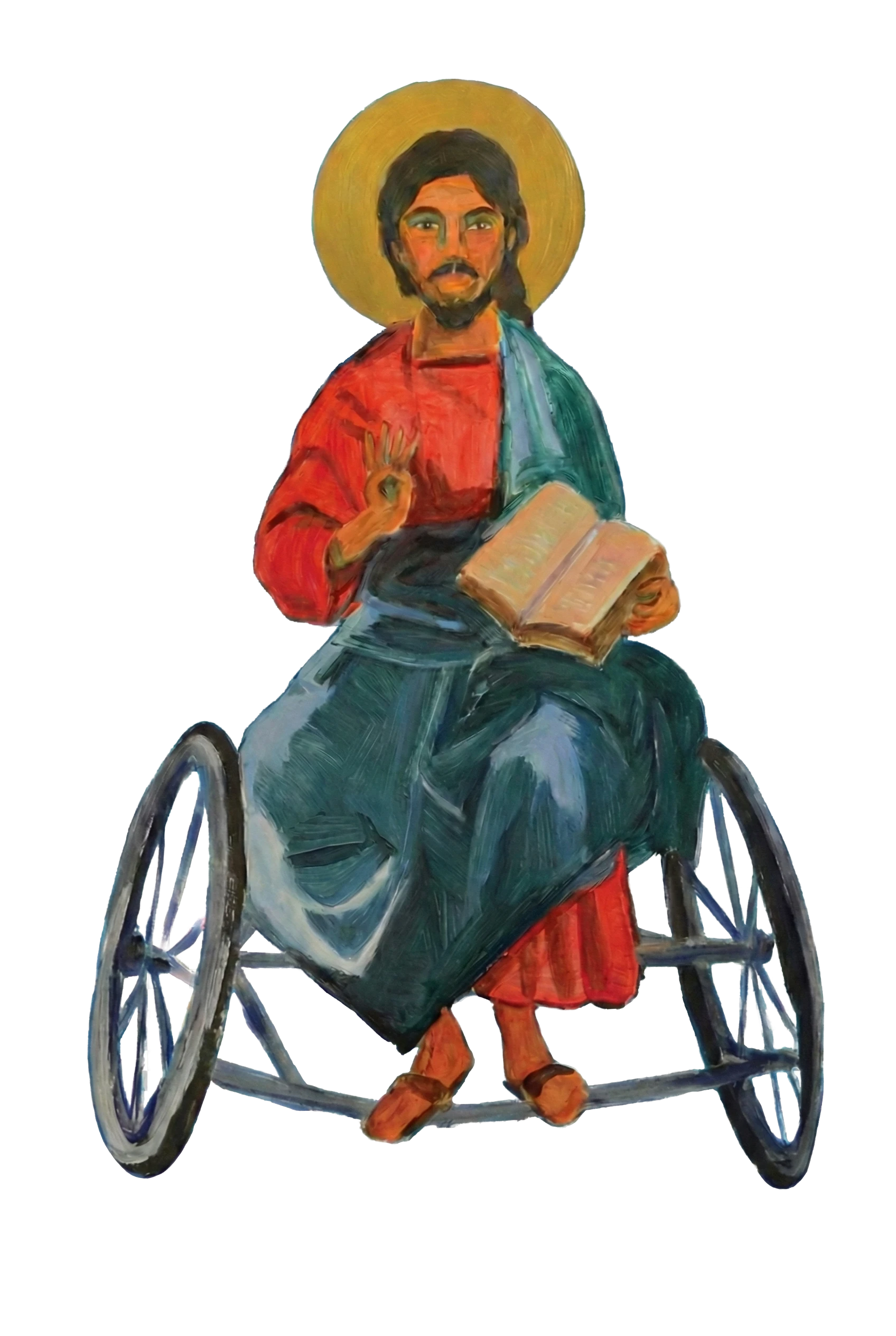
The cover of Cripping* Youth Ministry features an iconographic image of Jesus depicted in a wheelchair, created by artist Olga Ledis. This artistic choice was intentional and significant.
Throughout history, religious art has depicted Jesus in ways that reflect the communities creating it. This image invites us to see Jesus alongside disabled people—not as someone who only heals disability, but as someone who identifies with those the world marginalizes.
The image challenges viewers to expand their theological imagination and consider: What would it mean to recognize the sacred in disabled bodies?
What Does "Intersectional" Mean?
Intersectionality, a term coined by legal scholar Kimberlé Crenshaw, describes how different aspects of a person’s identity—race, gender, disability, sexuality, class—intersect to create unique experiences of privilege and oppression.
In the context of youth ministry, intersectionality helps us understand that disabled young people are not a monolithic group. A Black disabled teen, a queer disabled young adult, and a neurodivergent girl from a low-income family each navigate the world—and the church—differently. This book takes seriously these intersecting identities and the wisdom that emerges from them.